Site logoIcebreaker Games
Hero background
Updated for 2025

Best Ice Breaker Games for Work

Meeting-friendly, inclusive activities that build trust and engagement without awkwardness.

Let's be honest: asking colleagues to share 'deep secrets' on a Tuesday morning is a recipe for silence. The best work icebreakers build connection without crossing professional boundaries.

Whether you're kicking off a quarterly review or welcoming a new hire, these activities are designed to be low-risk, inclusive, and actually relevant to building a better team dynamic.

Meeting Icebreakers (<=10 min)

Desert Island

#1Desert Island

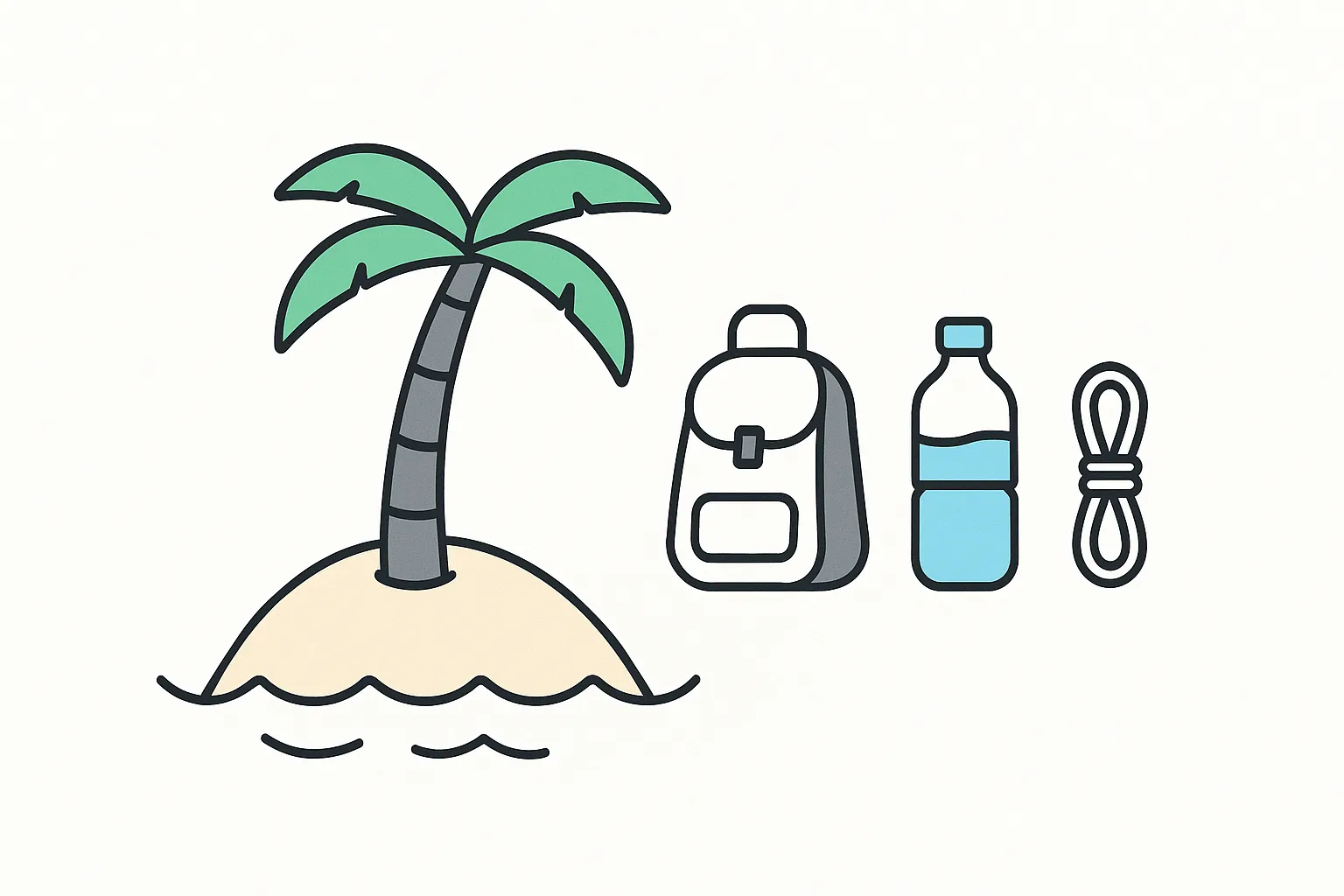
Participants share the three essential items they'd bring to a deserted island.

3+ Players10 minHybrid

Steps

  1. 1.Ask the group: 'If you were stranded on a desert island, what three items would you bring and why?'
  2. 2.Go around the circle and have each person share their three items.
  3. 3.Encourage follow-up questions to understand the reasoning behind their choices.

Rose, Thorn, Bud

#2Rose, Thorn, Bud

A powerful sharing activity to reflect on a positive (Rose), a challenge (Thorn), and a hope (Bud). Perfect for deep team check-ins.

3+ Players10 minHybrid

Steps

  1. 1.Go around the group and have each person share three things:
  2. 2.A 'Rose': a positive thing or highlight from their day/week.
  3. 3.A 'Thorn': a challenge they faced.
  4. 4.A 'Bud': something they are looking forward to.
Theme Music

#3Theme Music

Pick a personal 'theme song' for different scenarios like winning or focusing. A fun way to share personality through music.

3+ Players10 minHybrid

Steps

  1. 1.Offer 3–5 scenarios (celebration, focus, motivation, etc.).
  2. 2.Each person names a track for one scenario.
  3. 3.Invite short reasons or 5-second snippets if feasible.
Two Truths and a Lie

#4Two Truths and a Lie

The classic game where players guess which of three statements is false. A simple, fun way to reveal surprising facts about teammates.

3+ Players10 minHybrid

Steps

  1. 1.Each person prepares three statements about themselves: two that are true and one that is false.
  2. 2.Taking turns, each person shares their three statements with the group.
  3. 3.The rest of the group votes on which statement they believe is the lie.
  4. 4.The person reveals the lie after everyone has voted. It's a great way to learn surprising facts about each other!
20 Questions

#520 Questions

A classic logic icebreaker for any team size. Guess a secret person, place, or object using yes/no questions. No props needed; improves communication skills.

3+ Players10 minHybrid

Steps

  1. 1.Facilitator (or a player) thinks of a person, place, or object.
  2. 2.Others take turns asking yes/no questions to narrow it down.
  3. 3.Guess anytime—but you have at most 20 questions as a group.
  4. 4.Reveal the answer and rotate the chooser.
Birthday Line-Up

#6Birthday Line-Up

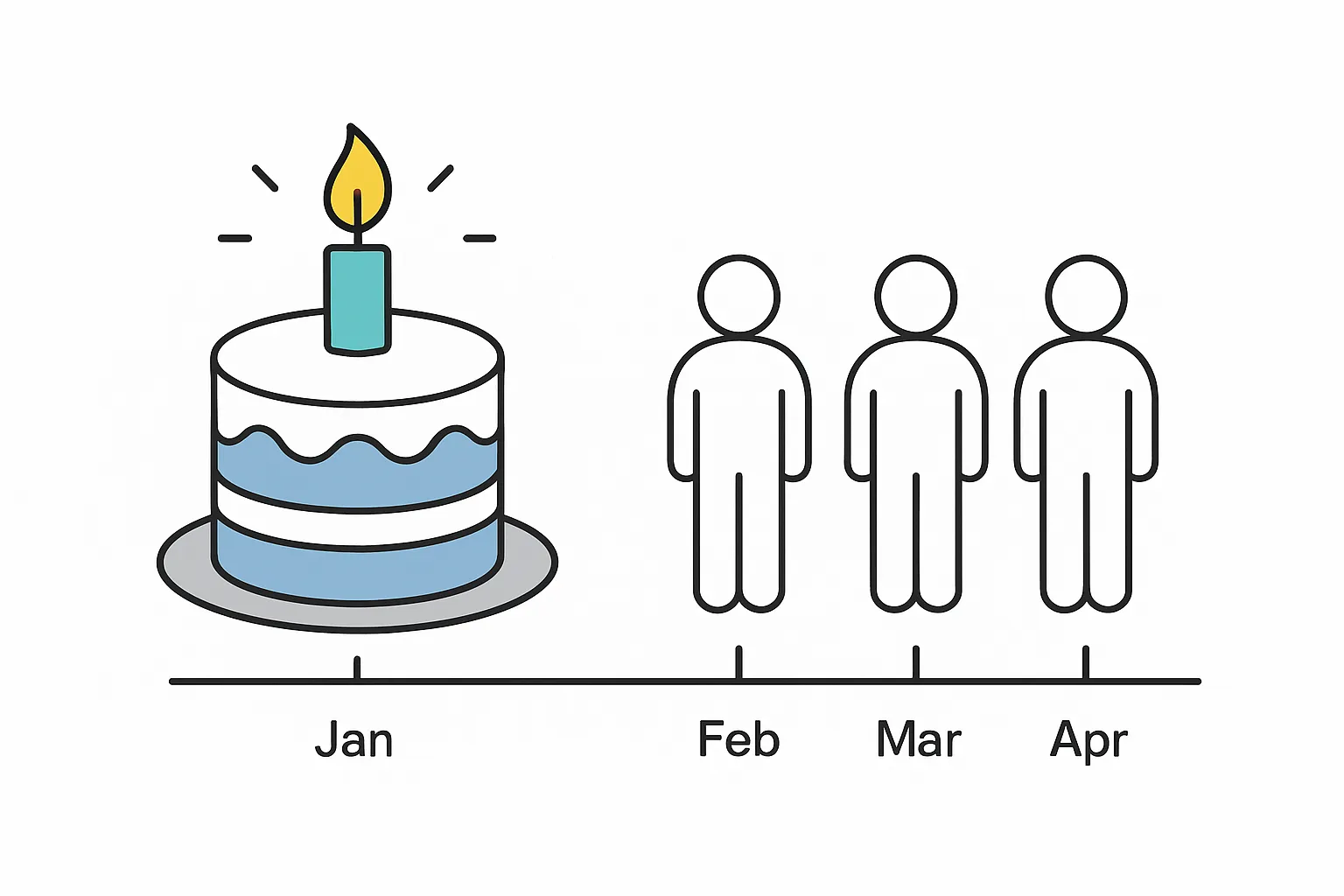
A classic non-verbal challenge where the group lines up by birthday without speaking. Excellent for improving communication and problem-solving skills.

8+ Players10 minIn-Person

Steps

  1. 1.Instruct the group to arrange themselves in a line according to their birthday, from January 1st to December 31st.
  2. 2.The catch: they cannot speak or write anything down.
  3. 3.Participants must use gestures, like holding up fingers for the month and day, to figure out the correct order.
  4. 4.Once done, go down the line and have everyone say their birthday to see if they succeeded.
Common Ground Challenge

#7Common Ground Challenge

Small groups race to find a set number of uncommon things they all share in common.

6+ Players10 minHybrid

Steps

  1. 1.Form groups of 3–5 and set a target (e.g., 5 commonalities).
  2. 2.Give 5–8 minutes to discover overlaps beyond the obvious.
  3. 3.Share highlights with the whole group.
Doodle Duel Derby

#8Doodle Duel Derby

A fast-paced collaborative drawing game. Rotate sketches, build on others' work, and guess contributors. Perfect for creative warm-ups and team building.

4+ Players10 minHybrid

Steps

  1. 1.Everyone starts a doodle; after 30–60 seconds, rotate canvases.
  2. 2.Repeat 3–5 rotations, then reveal and guess contributors.
  3. 3.Vote for the funniest or most artistic piece.

Onboarding Icebreakers (10–20 min)

Desert Island

#1Desert Island

Participants share the three essential items they'd bring to a deserted island.

3+ Players10 minHybrid

Steps

  1. 1.Ask the group: 'If you were stranded on a desert island, what three items would you bring and why?'
  2. 2.Go around the circle and have each person share their three items.
  3. 3.Encourage follow-up questions to understand the reasoning behind their choices.

Rose, Thorn, Bud

#2Rose, Thorn, Bud

A powerful sharing activity to reflect on a positive (Rose), a challenge (Thorn), and a hope (Bud). Perfect for deep team check-ins.

3+ Players10 minHybrid

Steps

  1. 1.Go around the group and have each person share three things:
  2. 2.A 'Rose': a positive thing or highlight from their day/week.
  3. 3.A 'Thorn': a challenge they faced.
  4. 4.A 'Bud': something they are looking forward to.
Theme Music

#3Theme Music

Pick a personal 'theme song' for different scenarios like winning or focusing. A fun way to share personality through music.

3+ Players10 minHybrid

Steps

  1. 1.Offer 3–5 scenarios (celebration, focus, motivation, etc.).
  2. 2.Each person names a track for one scenario.
  3. 3.Invite short reasons or 5-second snippets if feasible.
Two Truths and a Lie

#4Two Truths and a Lie

The classic game where players guess which of three statements is false. A simple, fun way to reveal surprising facts about teammates.

3+ Players10 minHybrid

Steps

  1. 1.Each person prepares three statements about themselves: two that are true and one that is false.
  2. 2.Taking turns, each person shares their three statements with the group.
  3. 3.The rest of the group votes on which statement they believe is the lie.
  4. 4.The person reveals the lie after everyone has voted. It's a great way to learn surprising facts about each other!
Would You Rather

#5Would You Rather

Pose fun and thought-provoking dilemmas to the group. Spark lighthearted debates and reveal personalities with this classic game.

2+ Players15 minHybrid

Steps

  1. 1.Prepare a list of 'Would You Rather' questions (e.g., 'Would you rather have the ability to fly or be invisible?').
  2. 2.Take turns asking the questions to the group.
  3. 3.Allow for some debate and discussion on why people chose their answers.
20 Questions

#620 Questions

A classic logic icebreaker for any team size. Guess a secret person, place, or object using yes/no questions. No props needed; improves communication skills.

3+ Players10 minHybrid

Steps

  1. 1.Facilitator (or a player) thinks of a person, place, or object.
  2. 2.Others take turns asking yes/no questions to narrow it down.
  3. 3.Guess anytime—but you have at most 20 questions as a group.
  4. 4.Reveal the answer and rotate the chooser.
Birthday Line-Up

#7Birthday Line-Up

A classic non-verbal challenge where the group lines up by birthday without speaking. Excellent for improving communication and problem-solving skills.

8+ Players10 minIn-Person

Steps

  1. 1.Instruct the group to arrange themselves in a line according to their birthday, from January 1st to December 31st.
  2. 2.The catch: they cannot speak or write anything down.
  3. 3.Participants must use gestures, like holding up fingers for the month and day, to figure out the correct order.
  4. 4.Once done, go down the line and have everyone say their birthday to see if they succeeded.
Common Ground Challenge

#8Common Ground Challenge

Small groups race to find a set number of uncommon things they all share in common.

6+ Players10 minHybrid

Steps

  1. 1.Form groups of 3–5 and set a target (e.g., 5 commonalities).
  2. 2.Give 5–8 minutes to discover overlaps beyond the obvious.
  3. 3.Share highlights with the whole group.

Remote Team Icebreakers

Desert Island

#1Desert Island

Participants share the three essential items they'd bring to a deserted island.

3+ Players10 minHybrid

Steps

  1. 1.Ask the group: 'If you were stranded on a desert island, what three items would you bring and why?'
  2. 2.Go around the circle and have each person share their three items.
  3. 3.Encourage follow-up questions to understand the reasoning behind their choices.
Rose, Thorn, Bud

#2Rose, Thorn, Bud

A powerful sharing activity to reflect on a positive (Rose), a challenge (Thorn), and a hope (Bud). Perfect for deep team check-ins.

3+ Players10 minHybrid

Steps

  1. 1.Go around the group and have each person share three things:
  2. 2.A 'Rose': a positive thing or highlight from their day/week.
  3. 3.A 'Thorn': a challenge they faced.
  4. 4.A 'Bud': something they are looking forward to.
Theme Music

#3Theme Music

Pick a personal 'theme song' for different scenarios like winning or focusing. A fun way to share personality through music.

3+ Players10 minHybrid

Steps

  1. 1.Offer 3–5 scenarios (celebration, focus, motivation, etc.).
  2. 2.Each person names a track for one scenario.
  3. 3.Invite short reasons or 5-second snippets if feasible.
Two Truths and a Lie

#4Two Truths and a Lie

The classic game where players guess which of three statements is false. A simple, fun way to reveal surprising facts about teammates.

3+ Players10 minHybrid

Steps

  1. 1.Each person prepares three statements about themselves: two that are true and one that is false.
  2. 2.Taking turns, each person shares their three statements with the group.
  3. 3.The rest of the group votes on which statement they believe is the lie.
  4. 4.The person reveals the lie after everyone has voted. It's a great way to learn surprising facts about each other!
Would You Rather

#5Would You Rather

Pose fun and thought-provoking dilemmas to the group. Spark lighthearted debates and reveal personalities with this classic game.

2+ Players15 minHybrid

Steps

  1. 1.Prepare a list of 'Would You Rather' questions (e.g., 'Would you rather have the ability to fly or be invisible?').
  2. 2.Take turns asking the questions to the group.
  3. 3.Allow for some debate and discussion on why people chose their answers.
20 Questions

#620 Questions

A classic logic icebreaker for any team size. Guess a secret person, place, or object using yes/no questions. No props needed; improves communication skills.

3+ Players10 minHybrid

Steps

  1. 1.Facilitator (or a player) thinks of a person, place, or object.
  2. 2.Others take turns asking yes/no questions to narrow it down.
  3. 3.Guess anytime—but you have at most 20 questions as a group.
  4. 4.Reveal the answer and rotate the chooser.
Common Ground Challenge

#7Common Ground Challenge

Small groups race to find a set number of uncommon things they all share in common.

6+ Players10 minHybrid

Steps

  1. 1.Form groups of 3–5 and set a target (e.g., 5 commonalities).
  2. 2.Give 5–8 minutes to discover overlaps beyond the obvious.
  3. 3.Share highlights with the whole group.
Desert Island Intelligences

#8Desert Island Intelligences

Stranded on an island with 8 types of intelligences. Teams must debate and rank them by survival value. A deep dive into team roles and values.

6+ Players20 minHybrid

Steps

  1. 1.Introduce the 8 Multiple Intelligences (see prompts below).
  2. 2.Set the scene: scarce resources, must decide who stays longest.
  3. 3.Debate as a group and justify the ranking.

Tips for Running Icebreakers at Work

  • Start small: choose activities that fit your agenda and timebox to 5–10 minutes.
  • Be inclusive: avoid personal, political, or sensitive topics; offer opt-in participation.
  • Explain why: tell the team how the activity supports collaboration and outcomes.
  • Debrief briefly: ask 1–2 reflection questions to connect the activity to work.
  • Have a backup: prepare a zero-material, 1-minute option in case time runs short.

FAQs

What are the best ice breaker games for work meetings?

The best ice breaker games for work combine low-risk topics with quick formats. Top picks: Two Truths and a Lie (safe personal facts), Quick Questions (work-relevant prompts), This or That (binary choices), and Rose/Bud/Thorn (project reflections). Choose activities under 10 minutes that build connection without awkwardness.

How long should workplace icebreakers take?

For regular team meetings, keep icebreakers 5–10 minutes. For onboarding sessions or workshops, allocate 10–20 minutes including debrief time. Always timebox activities—ice breaker games for work should energize without derailing the agenda. Use a timer and demonstrate first to set the pace.

What makes an icebreaker appropriate for corporate settings?

Work-appropriate icebreakers avoid personal disclosure, politics, religion, or sensitive topics. Stick to professional topics: recent wins, work preferences, team goals, or light favorites (coffee, weekend plans). Professional ice breaker games respect boundaries while building psychological safety and team cohesion.

What if my team resists icebreakers?

Start with ultra-short formats (2-minute check-ins), explain the purpose ('building trust improves collaboration'), make participation opt-in, and avoid forced sharing. Let skeptical teams suggest activities. Ice breaker games for meetings work best when voluntary and clearly connected to work outcomes.

How do I run icebreakers for remote or hybrid teams?

For remote ice breaker games, use chat/poll-friendly formats, set clear speaking turns, and keep prompts concise. Hybrid tip: ensure remote participants go first to prevent being overlooked. Best options: chat-based This or That, simultaneous emoji reactions, or breakout room Quick Questions rounds.

Do icebreakers actually improve team performance?

Yes—research shows brief connection activities reduce social friction, increase psychological safety, and improve meeting participation. Even 5-minute icebreakers at work help new teams bond faster and existing teams collaborate more openly. The key is consistency: run them regularly, not just once.